Short answer: for most yards, a no-melt suet cake in a standard wire cage covers you through a real winter — Heath’s Bird’s Blend is the reliable, lowest-cost starting point. If squirrels keep raiding it, switch to a hot-pepper formula or a shielded feeder like Duncraft’s Suet Shield; if starlings are the problem, an upside-down feeder like WBU’s EcoTough solves it without changing the suet at all. Everything below is compared on manufacturer specs — we haven’t tested any of these, and where the evidence is thin we say so.
At a glance
| Pick | Type | Key ingredient / capacity | No-melt (mfr-rated) | Mount | Band | Best for |
|---|---|---|---|---|---|---|
| Heath Bird’s Blend | Suet cake | Beef suet, milo, corn, millet, wheat, sunflower | Yes | Standard cage | <$10 | Budget, first-time feeders |
| C&S Hot Pepper Delight Suet Dough | No-melt suet dough | Corn, roasted peanuts, beef suet, oats, red pepper | Yes (to ~100°F) | Cage, mesh bag or suet-ball feeder | <$10 | Squirrel-plagued yards |
| WBU SuperSuet (No-Melt) | Premium suet cake | Beef fat, mealworms, peanuts, almonds, pecans, walnuts | Yes | Standard cage | $10–25 | Max nutrition, species variety |
| WBU Simply Suet | Classic suet cake | Beef kidney fat | Not specified | Standard cage | $10–25 | Classic cold-weather feeding |
| Mr. Bird Nut Cake – Small | Seed/nut block | Pecans, black-oil sunflower, sunflower hearts, millet | Yes (never melts) | Standard cage | <$10 | Low mess, mixed flocks |
| Duncraft Suet Shield Blocker Feeder | Cage, gorging-blocker | 1 cake | — | Hanging | $25–50 | Squirrels & flock gorging |
| WBU EcoTough Tail Prop Feeder | Tail-prop feeder | 1 cake | — | Hanging | $10–25 | Natural woodpecker feeding |
| WBU EcoTough Double Tail Prop Feeder | Tail-prop feeder | 2 cakes | — | Hanging | $25–50 | High-traffic yards |
| WBU EZ Fill Suet Cage | Wire cage | 1 cake | — | Hanging or pole | $10–25 | First-time buyers, easy refill |
| WBU EcoTough Upside-Down Feeder | Upside-down feeder | 1 cake | — | Hanging | $25–50 | Starling-heavy yards |
Specs are manufacturer-rated, gathered from maker and retailer documentation in September 2026 — not independently bench-tested. Price bands, never prices: they move weekly; the bands don’t.
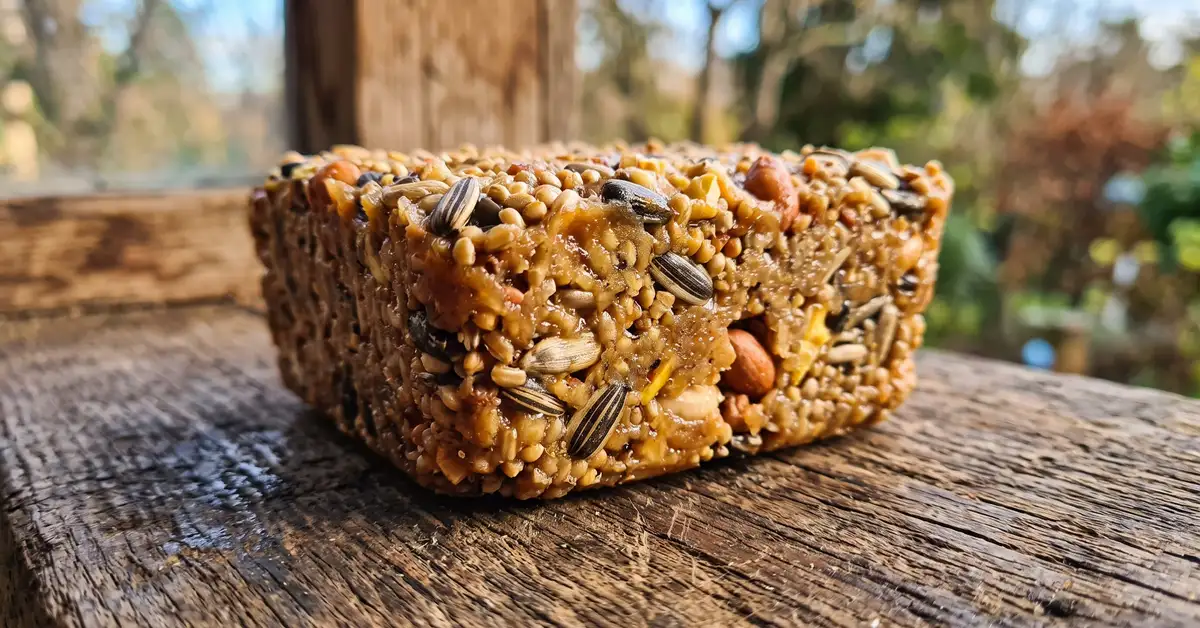
The five picks below are suet itself — cakes, dough and a nut block, in ingredient order. The five after that are feeders built to hold them — pair any cake or dough above with any feeder below sized for it.
Transparency first: This guide contains affiliate links. If we’re enrolled in an affiliate program, we may earn a commission at no extra cost to you — it never affects how we research or rank. Read our full affiliate disclosure policy.
Heath Outdoor Products Bird’s Blend High Energy Suet
Choose this if: you want a reliable, no-melt starter cake at the lowest price point on this list — Bird’s Blend is the budget default most first-time suet feeders reach for.
Heath blends rendered beef suet with milo, corn, millet, wheat and sunflower seeds into a standard-size cake rated for a no-melt, year-round formula. It fits any standard wire suet cage and, per the manufacturer, is built to attract a broad mix of backyard birds. The honest trade-off: it’s a mixed-grain cake rather than a pure high-fat blend, so in busy yards some owners report replacing it daily — budget for that once chickadees and woodpeckers find it.
C&S Hot Pepper Delight No-Melt Suet Dough
Choose this if: squirrels are the problem, not the birds — the hot pepper formula is squirrel- and raccoon-averse by design, while birds don’t register capsaicin the way mammals do.
C&S’s Hot Pepper Delight is a suet dough — corn, roasted peanuts, rendered beef suet, oats, red pepper and soybean oil — rated by the manufacturer to resist melting up to about 100°F, which makes it flexible enough for a platform, mesh bag or dedicated suet-ball feeder rather than only a standard cage. The honest trade-off: it’s a dough, not a firm cake, so it needs refrigeration before use for easy handling, and the hot pepper content means washing your hands after loading the feeder.
Wild Birds Unlimited SuperSuet (No-Melt)
Choose this if: you want the richest formula here — SuperSuet blends beef fat with mealworms, peanuts, almonds, pecans and walnuts for the highest fat-and-protein suet WBU sells.
WBU’s No-Melt SuperSuet is formulated to hold up in high outdoor temperatures while packing in more ingredients — and more cost — than a standard cake. It’s the specialty-store pick for owners who want to maximize nutrition and species variety at the feeder. The honest trade-off: it’s sold through WBU’s franchise stores and online shop rather than mass retail, so plan on a specialty-store price and, depending on your location, a store visit or online order rather than a same-day grocery run. Not listed on Amazon.com as of 2026-09-11 — sold direct by Wild Birds Unlimited.
Wild Birds Unlimited Simply Suet
Choose this if: you want the plain, classic cake — no hot pepper, no mealworms, just high-energy beef kidney fat for woodpeckers, chickadees and nuthatches.
Simply Suet is WBU’s baseline cake, rendered and refined to remove the impurities that cause spoilage. It’s the straightforward choice for owners who don’t need a deterrent formula or a premium ingredient list — just a dependable winter energy source. The honest trade-off: without a manufacturer no-melt claim, treat this as a cold-weather cake and switch to a no-melt formula once daytime highs climb. Not listed on Amazon.com as of 2026-09-11 — sold direct by Wild Birds Unlimited.
Mr. Bird Nut Cake – Small (Birds Choice)
Choose this if: mess is your main complaint about suet — this seed-and-nut block is built to not crumble, and it never melts because it isn’t fat-based.
Mr. Bird’s Nut Cake swaps rendered fat for a pressed block of pecans, black-oil sunflower, sunflower hearts and white millet, held together with a small amount of gelatin. It fits any standard suet cage and, per the manufacturer, draws an unusually wide mix of visitors — cardinals, chickadees, woodpeckers, nuthatches, finches, titmice, warblers, wrens, kinglets, mockingbirds and even bluebirds. The honest trade-off: without rendered fat it’s a lower-calorie option than a true suet cake, so in the coldest stretches pair it with a fat-based cake rather than relying on it alone. Not listed on Amazon.com as of 2026-09-11 — sold direct by the manufacturer.
Duncraft Suet Shield™ Blocker Feeder
Choose this if: squirrels or large flocking birds are emptying a cake in a day — the stainless-steel Suet Shield insert is built to slow them down without blocking the birds you want.
Duncraft’s own figures (their claim, not independently tested here) put a cake lasting roughly six times longer behind the ⅓-inch stainless-steel mesh insert, which still lets small clinging birds like woodpeckers feed normally. It holds one standard cake and hangs from an included cable. The honest trade-off: it’s a single-cake feeder at a mid-range price, so a high-traffic yard may still need a second feeder alongside it rather than relying on slower consumption from one. Not listed on Amazon.com as of 2026-09-11 — sold direct by the manufacturer.
WBU EcoTough® Tail Prop Suet Feeder
Choose this if: you want woodpeckers to feed the way they actually forage — the paddle lets them prop their tail against it the way they would on a tree trunk.
Built from recycled plastic that Wild Birds Unlimited rates as resistant to rot, cracking, fading and warping, the Tail Prop holds one suet cake in an 18¾ × 8 × 3-inch frame. It’s a straightforward hanging feeder with no starling deterrent built in — its appeal is the natural feeding posture, not exclusion. The honest trade-off: starlings and other flocking birds can use it just as easily as woodpeckers, so it won’t help in a starling-heavy yard. Not listed on Amazon.com as of 2026-09-11 — sold direct by Wild Birds Unlimited.
WBU EcoTough® Double Tail Prop Suet Feeder
Choose this if: one cake disappears too fast — the double version holds two side by side in the same recycled-plastic, tail-prop design, with room for even a Pileated Woodpecker’s frame per the manufacturer.
Same recycled-plastic construction and tail-prop paddle as the single version, scaled up to a 23½ × 8 × 3-inch frame with two cake bays. It’s the dual-capacity answer for high-traffic yards that don’t want to hang two separate feeders. The honest trade-off: more surface area also means more visits from non-target species — it isn’t a starling deterrent any more than the single-cake version is. Not listed on Amazon.com as of 2026-09-11 — sold direct by Wild Birds Unlimited.
WBU EZ Fill Suet Cage Feeder
Choose this if: you want the simplest, least expensive way to start — a basic wire cage with a hinged front for fast refills.
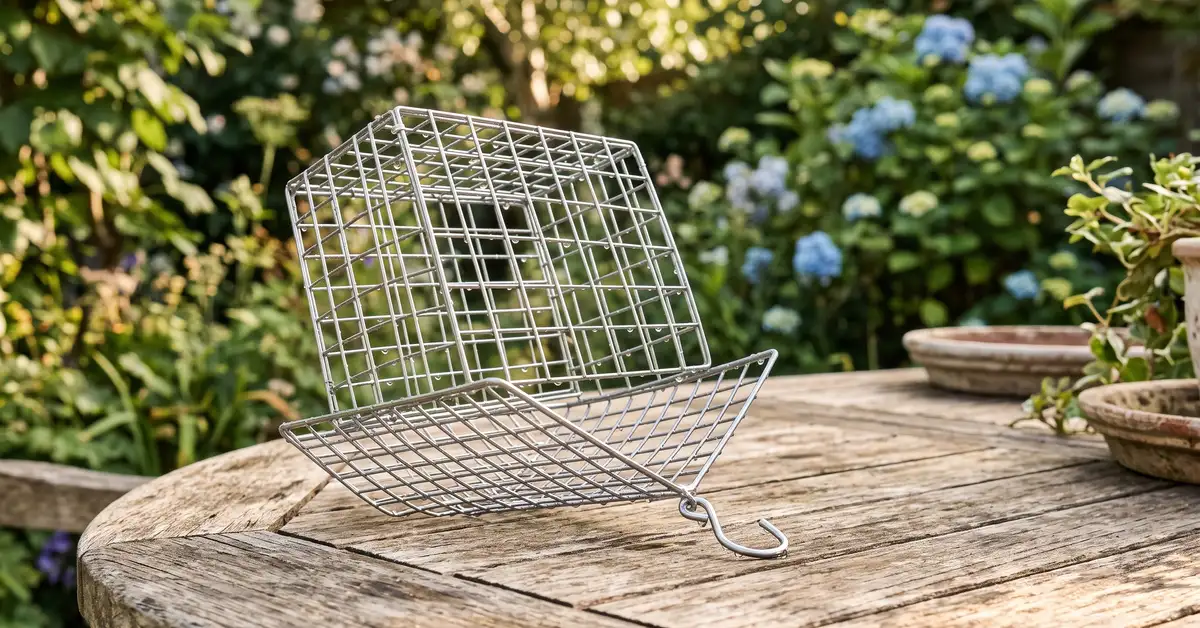
WBU’s EZ Fill is a compact 5½ × 4¾ × 1⅞-inch cage built from plastic-coated wire mesh, sized for one standard suet cake and small enough to hang from a branch or an existing pole system. It’s the no-frills option: no deterrent features, no premium materials, just a straightforward cage. The honest trade-off: plain wire cages like this offer no protection from squirrels or starlings — pair it with a hot-pepper suet or a shielded design above if either is a problem in your yard. Not listed on Amazon.com as of 2026-09-11 — sold direct by Wild Birds Unlimited.
WBU EcoTough® Upside-Down Suet Feeder
Choose this if: starlings are cleaning out your suet before the woodpeckers get a turn — the upside-down design lets clinging birds feed from below while starlings generally can’t manage it.
Like the rest of the EcoTough line, this feeder is molded from recycled plastic and holds one suet cake in an orientation that favors woodpeckers, nuthatches and chickadees over starlings, per the manufacturer’s own positioning. The honest trade-off: birds can take real time to find and learn an upside-down feeder — expect a slower start than a standard cage, and consider keeping one conventional feeder running nearby while the switch happens. Not listed on Amazon.com as of 2026-09-11 — sold direct by Wild Birds Unlimited.
What we left out, and why
| Product | Why it’s not here |
|---|---|
| Wildlife Sciences Hot Pepper Suet Cake | Research lead only — we couldn’t independently load a current manufacturer or retailer product page to verify it when we compiled this guide. Our verified-or-omit rule says omit rather than publish on an unconfirmed listing. |
| Blue Seal Woodpecker Party Suet Treat Bar | Same issue: the ingredient list in the source material was incomplete, and we couldn’t independently confirm the current listing. |
| Generic Amazon suet cages (2-pack and dual-cage listings) | The listing pages didn’t load for independent verification when we compiled this guide. WBU’s manufacturer-documented cage and dual feeders above cover the same roles. |
| Birds Choice Upside Down Suet Feeder | Same listing-access issue. WBU’s EcoTough Upside-Down Suet Feeder (manufacturer-verified) covers the same starling-resistant category. |
| Wildlife Sciences Suet Plugs Variety Pack | Same listing-access issue — couldn’t independently verify the current listing when we compiled this guide. |
| Any suet without a no-melt rating, fed through a sustained warm spell | Category-level exclusion: standard suet softens above about 80°F and can coat feathers. Switch to a no-melt formula, or pause suet feeding until temperatures drop. |

Suet, done safely
The gear is the easy half. The care rules below are drawn from Cornell Lab of Ornithology research and Audubon guidance — the same organizations our winter feeding guide and heated bath guide cite, and our Seed & Suet guides cover the rest of the routine:
- Watch the heat, not just the calendar. Standard suet softens and can turn rancid once daily highs pass about 80°F, and soft suet can coat belly feathers — a real risk for incubating birds in spring. Switch to a no-melt formula above that line, and pull any suet, no-melt included, if it looks or smells off; no-melt raises the melting point, it doesn’t stop spoilage (Cornell Lab, All About Birds).
- Clean on a schedule, not just when it looks dirty. Soak or scrub feeders in a dilute bleach solution, rinse thoroughly and let them dry before refilling — a study cited by Cornell’s Project FeederWatch found bleach soaks cut Salmonella levels more effectively than soap and water alone, and feeders with visible debris carried more bacteria after cleaning no matter which method was used (Project FeederWatch, Cornell Lab).
- See a sick bird, pause for a couple of weeks. Cornell Lab’s Project FeederWatch recommends removing the feeders the sick bird is using for a couple of weeks and cleaning them and the feeder area thoroughly while they’re down — feeders concentrate birds in a way that helps disease spread. Follow current local wildlife-agency guidance if there’s a reported outbreak in your area.
- Corn- and peanut-based suet is a bacteria risk in warm, damp conditions. Buy from a reputable brand, and if you make your own, keep it refrigerated until use.
- Placement still matters at a suet feeder. The same 3-feet-or-30-feet window rule as any feeder, with cover about 10 feet away for a fast exit from a hawk.
We haven’t tested any of these products ourselves — specs above come from manufacturer documentation, and the hygiene guidance comes from Cornell Lab and Audubon research (Audubon’s backyard feeding and care guide has more on year-round upkeep).
Suet questions, short answers
How we picked: manufacturer and retailer documentation for every spec (gathered September 2026, each product’s current availability verified at source), plus Cornell Lab and Project FeederWatch research on suet safety and feeder hygiene. No testing of any kind is claimed. Details in How we pick.